

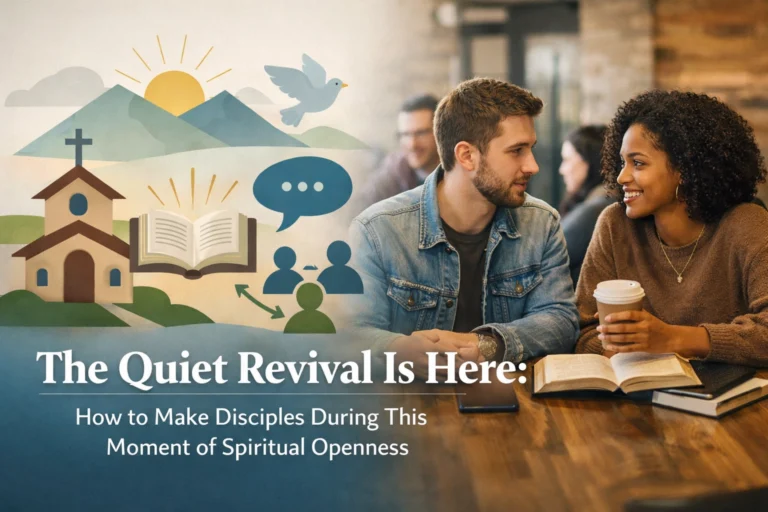
Something's shifting. You can feel it.
Maybe it's the neighbor who randomly asked you about prayer last week. Or the coworker who mentioned they've been reading the Bible on their own. Or that college student at your church who brought three friends, none of them grew up in church.
It's not just you noticing it. Church leaders across the globe are reporting something they're calling a "Quiet Revival", a surge in spiritual curiosity, especially among young adults who were written off as the "unreachable generation" just a few years ago.
Whether the numbers are debated or not (and yes, researchers have questions about the data), one thing's clear: people are asking spiritual questions again. And if we're not ready to make disciples during this moment, we're missing one of the biggest opportunities in a generation.
What's Actually Happening?

The phrase "Quiet Revival" comes from recent research showing increased church attendance, Bible engagement, and spiritual openness: particularly among Gen Z. Some reports claim young adult church attendance jumped from 4% to 16% between 2018 and 2024. Bible sales are up 87%. And get this: 28% of new adult Christians say unexplained spiritual experiences led them to faith.
Phil Knox, a senior missiologist, called 2026 "the most spiritually open year in living memory." That's a bold statement. But even if the actual numbers are smaller than the headlines suggest, the trend is undeniable: people are searching.
After years of decline, after pandemic isolation, after endless debates about whether the church even matters anymore, there's a hunger. Not for slick programs or entertainment. For something real. For Jesus.
The question isn't whether this moment exists. The question is: What are you going to do about it?
Why This Moment Matters (And Why It Won't Last Forever)
Here's the thing about spiritual openness: it comes in waves. And waves don't stick around.
Jesus understood this. In John 9:4, He said, "As long as it is day, we must do the works of him who sent me. Night is coming, when no one can work." There are seasons when hearts are soft, when people are asking questions, when the ground is fertile for the gospel. This might be one of those seasons.

But here's what happens if we're not ready: people arrive spiritually curious, and they leave spiritually disappointed. They show up with questions about God, looking for community, hoping to understand the Bible they've been secretly reading on their phone. And if all we offer them is a mediocre worship experience and a handshake at the door? They ghost. Forever.
The research backs this up. While spiritual interest is rising, so is the dropout rate. Many new believers leave within months because they never got connected, never got discipled, never moved beyond Sunday attendance into real spiritual formation.
The revival isn't just about getting people in the door. It's about what happens after they walk through it.
How to Make Disciples During This Moment
So how do we actually steward this opportunity? Here are four practical ways to make disciples while hearts are open:
1. Create Compassionate Entry Points
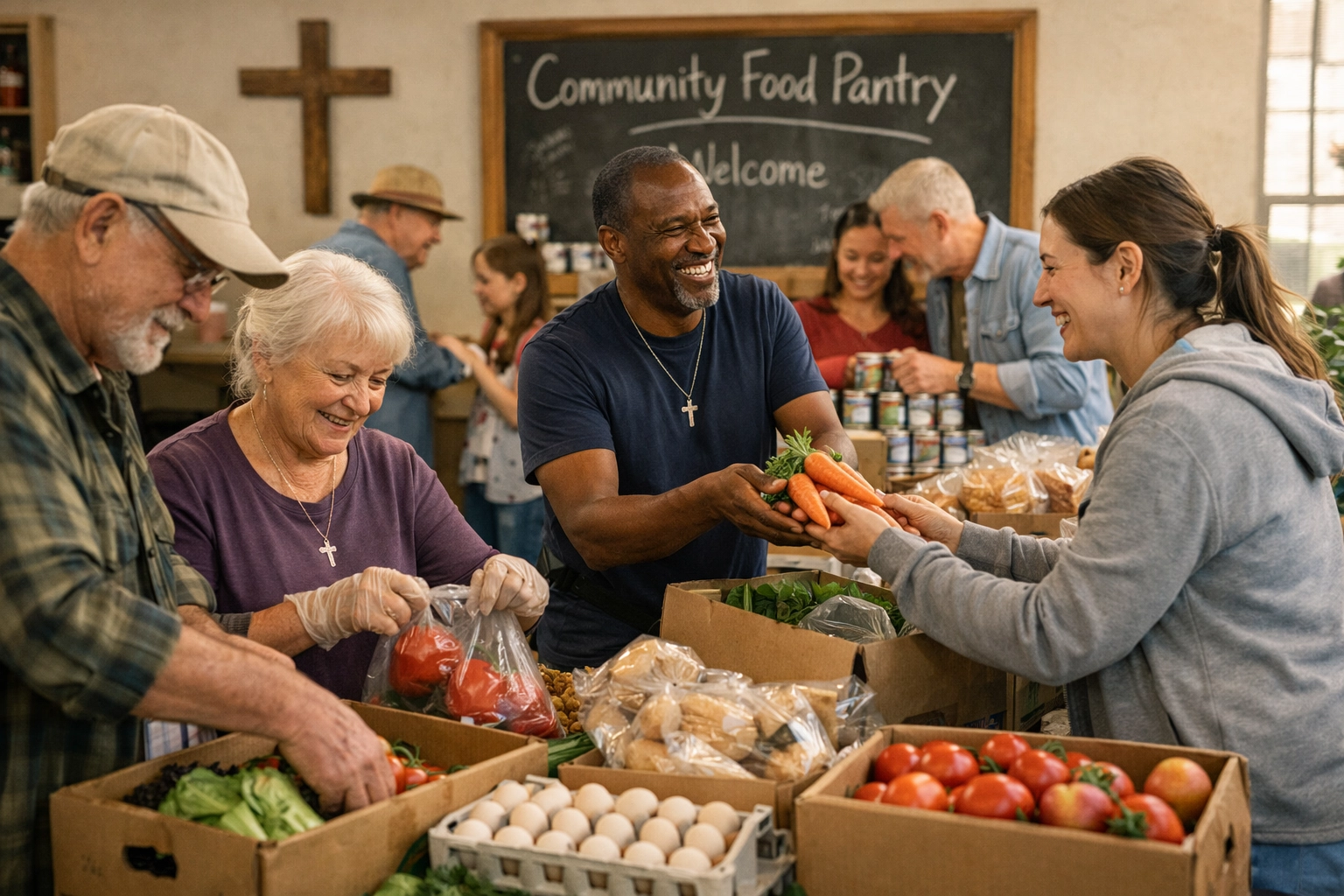
Seventy-four percent of parents with young children have attended church activities in the past year. That's huge. But most of them didn't come for a sermon: they came for a food bank, a parenting class, a community event.
Translation: Meet people where they are. Serve your community with no strings attached, but don't hide your faith either. Run that food pantry. Host the recovery group. Be present at the community center. And when people ask why you do what you do? Tell them about Jesus.
As James 2:17 reminds us, "Faith by itself, if it is not accompanied by action, is dead." Compassion opens doors that preaching alone never could.
2. Be Ready for the Unexpected Seekers
People aren't showing up the way they used to. They're not coming because their parents dragged them. They're coming because they had a dream, or a near-death experience, or they felt something they can't explain while hiking alone.
Twenty-eight percent of new believers cite unexplained spiritual experiences as a major factor in their faith journey. These folks need patient, thoughtful guidance: not a five-step formula or a guilt trip for not having it all figured out.
Be ready to listen. Be ready for messy questions. Be ready to disciple people who don't fit the typical mold. Jesus spent most of His time with people who confused the religious experts. We should do the same.
3. Prioritize Early Spiritual Formation
This is where most churches drop the ball. Someone visits twice, fills out a connection card, maybe even gets baptized: and then they're on their own. No follow-up. No mentorship. No real discipleship.
The first 90 days matter most. This is when new believers establish (or fail to establish) spiritual habits: prayer, Bible reading, community, serving. If we're not intentionally helping them build these disciplines, we're setting them up to drift.
In Matthew 28:19-20, Jesus didn't just say "make converts." He said, "Go and make disciples of all nations… teaching them to obey everything I have commanded you." Discipleship isn't an event. It's a relationship. It's walking with someone as they learn to follow Jesus.
This is exactly why tools like the Disciple Maker app exist: to help you track progress, stay connected, and ensure no one falls through the cracks during those crucial early months.
4. Lean Into Bible Engagement
Here's something wild: Bible sales are up 87%. That means people are buying Bibles. On purpose. And reading them. On their own.

That almost never happens. But it's happening now.
So when someone shows up at your church having already read half of Romans on their lunch breaks? Don't be surprised. Welcome them. Answer their questions. Invite them into deeper study. Start a small group focused on one book of the Bible and really dig in.
Paul wrote in 2 Timothy 3:16-17, "All Scripture is God-breathed and is useful for teaching, rebuking, correcting and training in righteousness, so that the servant of God may be thoroughly equipped for every good work." The Bible does the heavy lifting. Our job is to create space for people to engage with it and process what God's saying to them.
The Challenge Ahead
Let's be honest: discipleship is hard. It's time-consuming. It's messy. It requires consistency, follow-up, patience, and a whole lot of grace. You can't automate it. You can't delegate it to a program and hope for the best.
But here's the truth: this is what we're called to do. Not just fill seats. Not just get decisions. Make disciples.
Jesus spent three years with twelve guys. He ate with them, traveled with them, corrected them, encouraged them, challenged them. And those twelve turned the world upside down.

What if we took that same approach today? What if instead of trying to reach thousands, we focused on faithfully discipling a few? What if every believer committed to pouring into one or two people this year?
The impact would be exponential.
Don't Miss This Moment
Whether this is a full-blown revival or just a season of increased openness, one thing is certain: God is moving. People are searching. Hearts are soft. The harvest is plentiful.
But as Jesus said in Matthew 9:37-38, "The harvest is plentiful but the workers are few. Ask the Lord of the harvest, therefore, to send out workers into his harvest field."
Will you be one of those workers?
You don't need a seminary degree. You don't need to have it all figured out. You just need to be willing. Willing to invest. Willing to walk alongside someone. Willing to share what Jesus has done in your life.
The Quiet Revival isn't just about what God's doing out there. It's about what God wants to do through you.
So start today. Reach out to that spiritually curious coworker. Invite that neighbor to coffee. Ask someone at church how you can pray for them: and actually follow up. Download the Disciple Maker app to help you stay organized and intentional. Take the first step.
Because moments like this don't come around often. And when they do, we can't afford to waste them.